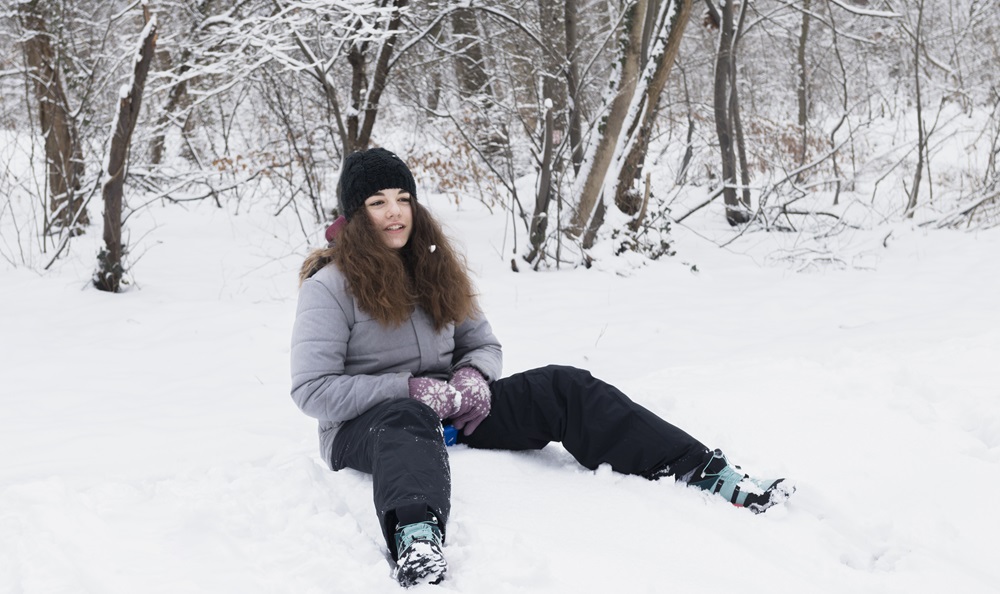
Spring snowboarding is weird. You start your morning in 20-degree weather, and by noon it’s 50 degrees and sunny.
If your snowboarding pants for women don’t have proper ventilation, you’ll be drenched in sweat before lunch.
And if you’re hiking uphill for backcountry runs, bad ventilation turns your pants into a personal sauna. Here’s how to figure out if your pants can actually handle warm conditions.
What Makes Spring Riding Different From Winter?
Spring conditions mess with your body temperature in ways winter riding doesn’t. When temperatures swing from freezing mornings to warm afternoons, your body struggles to regulate heat. Add in direct sun exposure and wet snow, and you need pants that can adapt fast.
Research from the Outdoor Industry Association shows that spring riders deal with temperature variations of 30-40 degrees Fahrenheit in a single day. Your pants need to handle both extremes without forcing you to change halfway through.
The other factor is activity level. Spring often means backcountry touring or hiking to features. When you’re walking uphill with a board on your back, you generate way more heat than when you’re just riding down.
Your heart rate goes up, your muscles work harder, and you start sweating. If that sweat can’t escape, it stays trapped against your skin and makes you cold when you stop moving.
How Do You Check If Your Vents Actually Work?
Most snow pants have inner thigh vents, but not all vents are created equal. You need to test them before you’re stuck on a mountain.
Put your pants on and fully open the vents. Can you feel a clear path from the outside to your skin? Some vents are blocked by inner layers or positioned where your legs press them closed when you move. That’s useless.
Vent length matters more than you think. Short vents that only run 6-8 inches don’t move much air. Good vents run at least 12-15 inches from your inner thigh toward your knee. Longer vents create better airflow, especially when you’re moving.
Check the zipper quality too. If the zipper catches or feels flimsy, it’ll break when you need it most. Two-way zippers that open from both top and bottom give you better control over how much air you let in.
Now do some squats and lunges in your pants. Do the vents stay open or do they close up when you bend your legs? If they collapse when you move, they won’t help you when you’re actually riding or hiking.
| Vent Feature | What to Look For | Why It Matters |
| Vent length | 12-15 inches minimum | Longer vents move more air |
| Zipper type | Two-way, heavy-duty | Better control and durability |
| Mesh backing | Waterproof mesh panel | Keeps snow out while venting |
| Position | Inner thigh, not outer seam | Better airflow when moving |
What About the Fabric Itself?
Vents help, but your fabric choice makes a huge difference too. The breathability rating tells you how well moisture vapor can escape through the material itself.
Breathability is measured in grams per square meter over 24 hours (g/m²/24hr). Fabrics rated under 10,000g are basically plastic bags—they trap everything inside. For spring riding and touring, you want at least 15,000g, and 20,000g or higher is better.
But here’s what manufacturers don’t always tell you: those ratings are measured in perfect lab conditions. In real life, your breathability drops when the fabric gets dirty, wet, or compressed by a backpack. A 20,000g fabric might perform more like 12,000g after a few days of use.
The other issue is waterproofing versus breathability. Higher waterproof ratings often mean lower breathability.
A 30,000mm waterproof pant might keep you dry in a rainstorm, but it’ll also trap more heat. For spring conditions, you can usually get away with 15,000-20,000mm waterproofing since you’re dealing with wet snow, not heavy rain.
Can You Test Ventilation Before You Buy?
If you’re shopping for new pants, do this in the store. Put them on and do jumping jacks for 30 seconds. Sounds silly, but it works. You’ll heat up fast and get a sense of how the pants handle moisture and airflow.
Open and close the vents a few times. They should move smoothly without catching. Check if there’s mesh behind the vent opening—this keeps snow out while still letting air through.
Try the pants with a base layer on, not just bare legs. Your base layer affects how moisture moves through the system. If you normally wear thick thermal leggings, test the pants with those on.
Walk up some stairs or an incline if the store has them. This simulates uphill hiking. Pay attention to any spots where you feel heat building up—behind the knees, around the waist, or in the crotch area. Good pants distribute airflow evenly.
What If Your Current Snowboarding Pants for Women Don’t Have Enough Vents?
You’ve got a few options if you’re stuck with pants that overheat you.
First, try adjusting your layering. Thinner base layers and skipping mid-layers can help, but this only works if the problem is minor. If your pants have zero vents or terrible breathability, layering won’t fix it.
Some riders cut their own vents, but this is risky. You can destroy the waterproofing if you don’t seal the edges properly. And if you mess up the placement, you’ll have permanent holes in the wrong spots.
The smarter move is to look at your riding style. If you’re doing a lot of spring touring or hiking, pants without good ventilation just won’t work. You’ll need to invest in a pair designed for high-output activities.
How Do Fit and Articulation Affect Ventilation?
Tight pants trap heat and moisture against your skin. Loose pants create air pockets that help with cooling. But too loose and you lose weather protection and mobility.
Articulated knees—those pre-bent knee areas you see on some pants—actually help with ventilation. When the fabric doesn’t bunch up behind your knees, air can flow better and you don’t get hot spots.
The waist matters too. If your waist is too tight, it restricts your diaphragm and makes you breathe harder, which generates more heat and moisture. A slightly relaxed fit at the waist helps your whole system work better.
Boot gaiters can trap heat around your ankles if they’re too tight. Make sure there’s enough room for air to circulate down there, especially if you’re hiking in your boots.
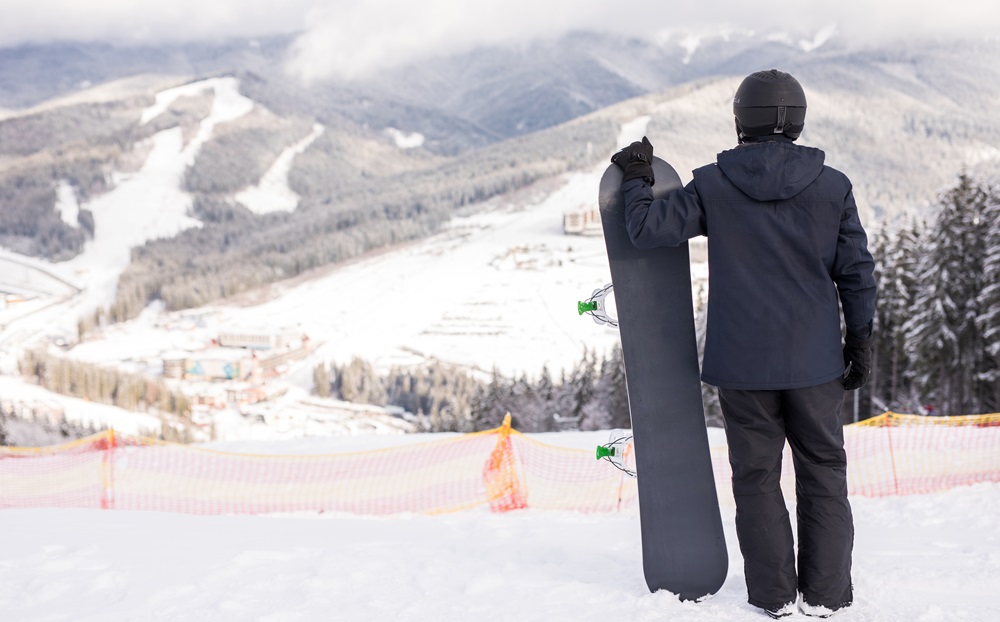
What’s the Real Test?
Take your pants out on a warm spring day when temperatures hit the 40s or 50s. Do a run that includes some hiking or boot packing.
If you can make it through without feeling swamped in sweat, your ventilation is probably adequate.
If you finish soaked and uncomfortable, your pants aren’t cutting it for spring conditions. No amount of tweaking will fix pants that lack proper ventilation systems.
Frequently Asked Questions
How long should snowboard pant vents be for effective airflow?
Answer: Vents should run 12–15 inches along the inner thigh. Short vents don’t move enough air, especially during hiking or warm spring afternoons.
What breathability rating is best for spring snowboarding?
Answer: Look for at least 15,000g, and ideally 20,000g+ for touring or uphill hiking. Anything under 10,000g traps sweat like a plastic bag.
How can I test if the vents on my pants actually work?
Answer: Open the vents, move around, squat, and do lunges. If airflow reaches your skin and the vents stay open while moving, they’re effective. If they collapse, they won’t work on the mountain.
Can waterproof pants still overheat me in spring?
Answer: Yes. Extremely waterproof fabrics (like 30,000mm) often reduce breathability. For spring’s wet snow, 15,000–20,000mm is usually sufficient and helps prevent overheating.
What should I do if my current snowboarding pants don’t ventilate well?
Answer: You can try thinner base layers, but if your pants lack vents or have low breathability, the only reliable fix is upgrading to pants designed for high-output spring riding.