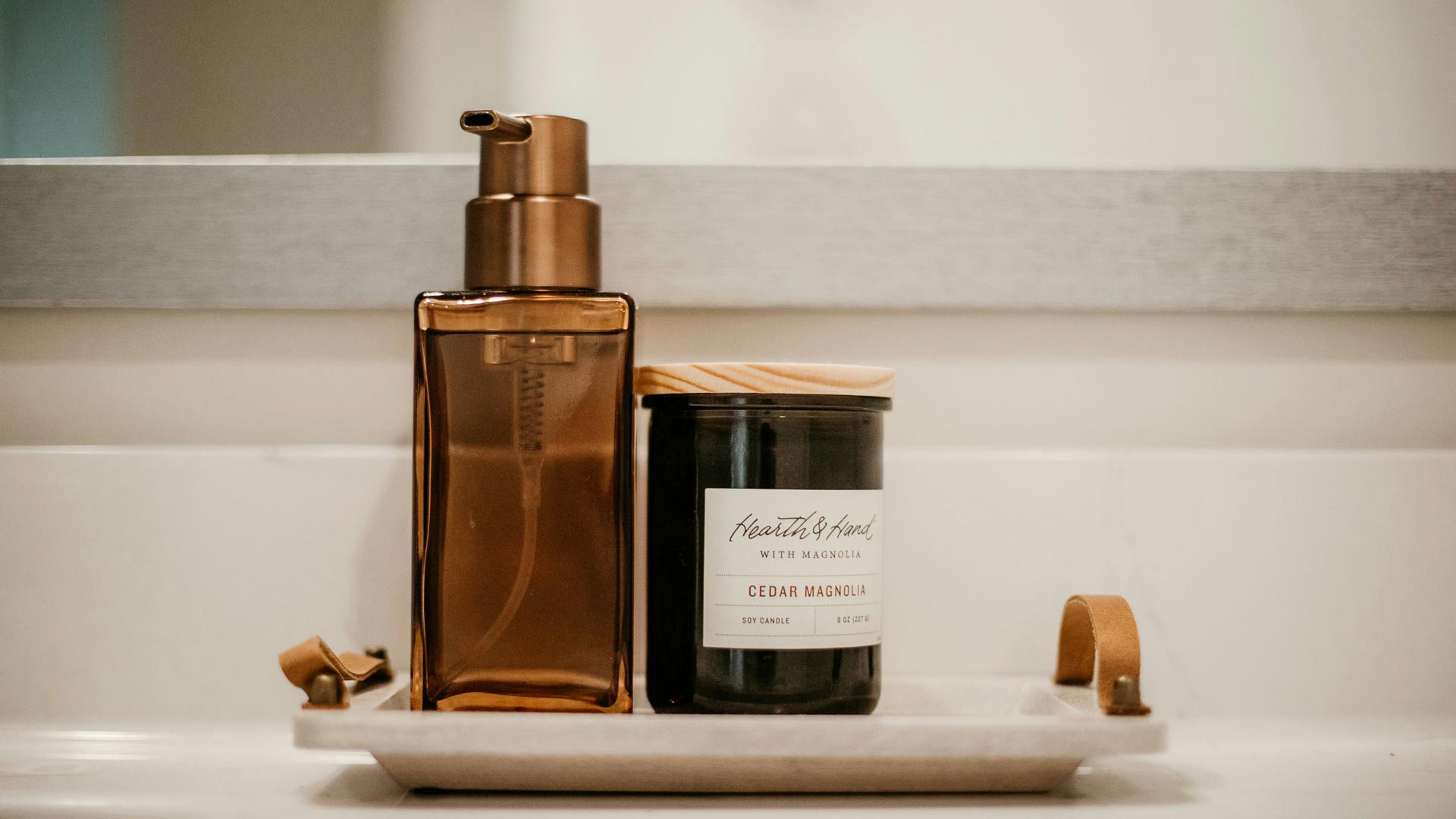
In a world defined by mass production, where the same designer handbags and high-street fashion labels are visible on every metropolitan corner, the true definition of luxury has shifted. It is no longer about what can be seen, but what is felt—and more importantly, what is inhaled. This shift has led to a burgeoning renaissance in the world of custom fragrances, as discerning individuals move away from the “best-seller” shelf in favor of scents that serve as an invisible, yet indelible, extension of their identity.
Our sense of smell is the only sensory modality with a direct, unmediated path to the limbic system—the brain’s headquarters for memory and emotion. Because of this, a signature scent isn’t just a grooming choice; it is a powerful psychological tool that dictates how the world remembers you long after you have left the room.
The Architecture of an Individual Scent
Creating a personalized perfume is not merely about mixing pleasant oils. It is a process of “olfactory architecture.” A professional perfumer (often referred to as a “Nose”) works with a palette of hundreds of raw materials to build a structure that evolves.
- The Foundation (Base Notes): These are the heavy molecules that linger for hours or days. Think of vetiver, sandalwood, amber, or musk. In a bespoke creation, these represent the “soul” of the wearer.
- The Heart (Middle Notes): This is the scent’s character. Florals, spices, or “green” notes like tomato leaf emerge after the initial spray settles.
- The Peak (Top Notes): The first impression. Citrus, bergamot, or light herbs provide the initial spark but dissipate quickly.
1. The Collaborative Ritual: From Brief to Bottle
When you commission custom fragrances, you aren’t just buying a product; you are engaging in a collaborative art form. The process usually follows a specific ritual that blends psychology with chemistry:
- The Olfactory Interview: The perfumer doesn’t ask what scents you like. They ask about your memories. Where did you spend your summers? What is the smell of your favorite old book? Do you prefer the sharp air of the mountains or the humid salt of the coast?
- The Raw Accord Phase: Based on your psychological profile, the perfumer creates 3–5 “accords”—simple sketches of a scent. You wear these on your skin for several days, as body chemistry is the final, unpredictable ingredient.
- Refinement and Maturation: Once a direction is chosen, the formula is tweaked. A drop more of Bulgarian rose, a slight reduction in smoky cade—the final blend then “ages” in glass, allowing the chemicals to marry and stabilize.
2. The Science of Skin Chemistry
One of the primary drivers for seeking custom fragrances is the frustration of “scent shifting.” Because of our unique skin pH, diet, and hormone levels, a perfume that smells like a dream on a paper blotter can turn “sour” or “flat” on the skin.
A bespoke formula accounts for these biological variables. By adjusting the concentration of fixatives or changing the carrier oil, a perfumer ensures that the scent remains true to its intent from the moment of application to the final dry-down eight hours later.
3. Beyond the Individual: Scenting Spaces
The trend of customization has moved from the pulse points to the floor plan. We are seeing a surge in “bespoke home identity.” Interior designers are now collaborating with perfumers to create a scent that matches the tactile materials of a home.
- Materials Matching: A room with heavy velvet and dark mahogany demands a “heavy” scent profile—think tobacco, oud, and leather.
- Atmospheric Engineering: A minimalist, glass-heavy penthouse might require a “transparent” scent—ozone, white musk, and crisp linen.
- The Ritual of Return: Just as a signature perfume defines a person, a custom home scent creates a psychological “anchor,” signaling that the outside world has been left at the door.
4. The Ethics of the Raw Material Palette
A significant part of the luxury in custom fragrances lies in the sourcing. Mass-market perfumes often rely heavily on synthetic “nature-identical” molecules to ensure consistency across millions of bottles. A bespoke creation, however, can utilize rare, ethically sourced naturals:
- Orris Root: One of the rarest materials in perfumery, requiring years of drying before it can be distilled into a powdery, violet-like butter.
- Real Mysore Sandalwood: Frequently substituted with synthetics in commercial brands due to its high cost and protected status.
- Vintage Musk: Sourcing high-quality, cruelty-free musks that provide that “lived-in” warmth without the chemical “shriek” of cheaper alternatives.
5. The Digital Evolution: AI and Semi-Bespoke
While the gold standard remains a face-to-face meeting with a “Nose,” technology is beginning to democratize the process. New AI-driven platforms allow users to input their preferences, travel history, and even their favorite flavor profiles to generate a semi-bespoke formula. While these may lack the “human spark” of a traditional maker, they are a powerful entry point for those beginning their journey into the world of individualized scent.
Conclusion: The Ultimate Invisible Luxury
In a world that is increasingly digital and visual, scent remains our last bastion of physical, unmediated experience. Choosing custom fragrances is an act of intentionality. It is a refusal to be part of a demographic and a decision to be an individual.
Whether it is the scent you wear on your wedding day to lock that memory in a “scent-vault,” or the fragrance that defines your home, customization is the final frontier of luxury. It is a portrait painted in air—invisible to the eye, but impossible to forget.