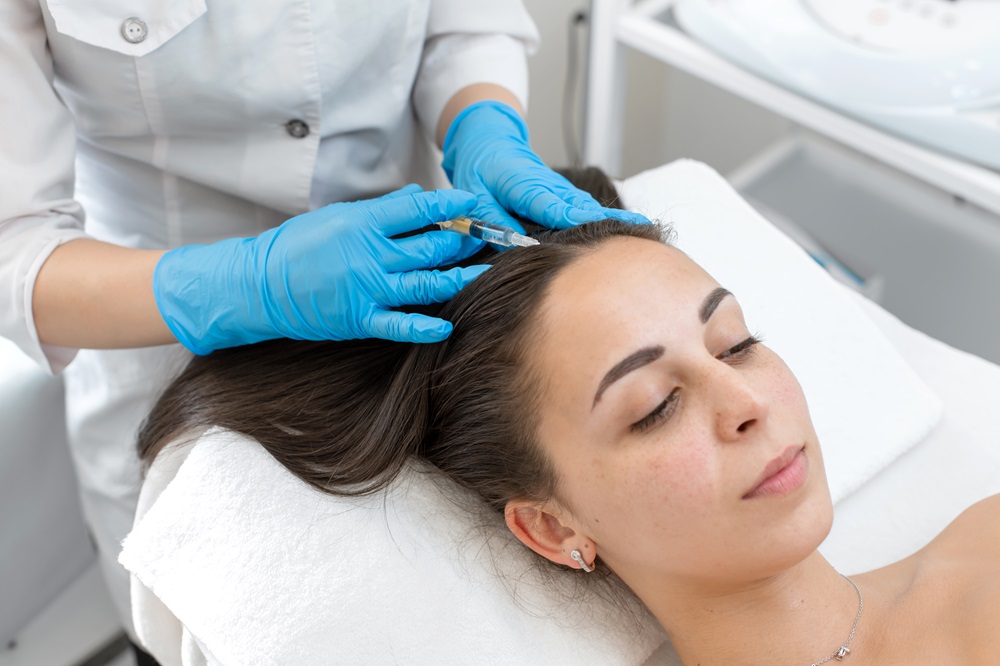
You’re probably searching for “stem cell injections near me” because you’ve heard they might help with your joint pain, arthritis, or sports injury.
But here’s something most clinics won’t tell you upfront: not all stem cell treatments are actually stem cells.
Some are just processed tissue products with minimal living cells. Before you spend thousands of dollars, you need to know exactly what you’re getting injected into your body.
What’s Actually Going Into Your Body?
When you walk into a clinic, they’ll use fancy medical terms to describe their treatment. But strip away the jargon, and there are really three main types of products they might offer you.
Autologous stem cells come from your own body. Doctors extract tissue (usually from your bone marrow or fat), process it in their office, and inject it back into you the same day. Since it’s your own cells, your body won’t reject them.
Allogeneic stem cells come from a donor. These are typically harvested from umbilical cord blood or tissue, then processed and stored in tissue banks. You’re getting someone else’s cells, which sounds strange, but these products go through screening processes.
Amniotic products come from placental tissue after scheduled C-sections. Here’s where things get murky. Most of these products don’t contain living stem cells at all—they’re basically growth factors and proteins from processed tissue.
| Stem Cell Type | Source | Living Cells? | FDA Status |
| Autologous | Your own body | Yes | Minimal manipulation allowed |
| Allogeneic | Donor cord blood/tissue | Sometimes | Must meet strict criteria |
| Amniotic | Birth tissue products | Usually no | Not approved for joint treatments |
How Can You Tell If a Clinic Is Legit?
You can’t just trust what’s on their website. Many clinics make claims that sound scientific but don’t hold up when you dig deeper.
Ask about cell viability testing. If they’re claiming to inject living stem cells, they should be able to show you lab reports proving those cells are alive.
Real clinics test their products and can show you the actual cell counts and viability percentages. If they dodge this question or say “it’s proprietary information,” that’s a red flag.
Check their FDA compliance. The FDA has specific rules about stem cell treatments. Autologous cells that are minimally manipulated and used during the same surgical procedure are generally allowed.
But if a clinic is using allogeneic or amniotic products for joint injections, those haven’t been approved by the FDA for orthopedic use. The agency has actually sent warning letters to multiple clinics making unsubstantiated claims.
Request donor screening documentation. For allogeneic products, ask about tissue bank accreditation and donor testing.
Legitimate tissue banks are registered with the FDA and follow American Association of Tissue Banks (AATB) standards. You have every right to see these credentials.
What About Those Amniotic Product Claims?
This is where many patients get misled. Clinics market amniotic injections as “stem cell therapy,” but research shows most of these products contain zero living stem cells after processing and storage.
A 2019 study published in the Journal of Translational Medicine tested 32 different amniotic products and found that the majority had no measurable living cells.
The products are essentially freeze-dried tissue extracts. They might contain growth factors that could theoretically help with healing, but calling them stem cell therapy is misleading at best and fraudulent at worst.
If a clinic is charging you $3,000-$5,000 for an amniotic injection and calling it stem cell therapy, you’re probably not getting what you paid for.
Some patients do report improvement, but researchers believe this might be due to a placebo effect or natural healing rather than the injected product itself.
What Questions Should You Ask Before Treatment?
Don’t feel awkward about asking detailed questions. You’re making a significant financial decision about your health.
“Can you show me lab results proving cell viability?”
Answer: This applies mainly to autologous and allogeneic treatments. You want documentation, not just verbal assurances.
“Is this treatment FDA-approved for my specific condition?”
Answer: Most clinics will say their product is from an FDA-registered facility, which is different from FDA approval for your condition. Press them on this distinction.
“What does the published research say about this treatment?”
Answer: Ask them to send you actual peer-reviewed studies, not testimonials from their website. If they can’t provide research, that tells you something.
“What’s your refund policy if the treatment doesn’t work?”
Answer: Legitimate clinics should be transparent about outcomes. If they guarantee results or refuse to discuss what happens if treatment fails, walk away.
The Bottom Line on Stem Cell Verification
You deserve to know exactly what you’re getting before you agree to any stem cell injections near me or anywhere else.
Real stem cell therapy exists and can help certain conditions, but the field is full of clinics making exaggerated claims about products that aren’t what they seem.
Your best protection is asking direct questions and demanding documentation. If a clinic gets defensive or can’t provide clear answers about their cell source, processing methods, and FDA compliance, find another provider.