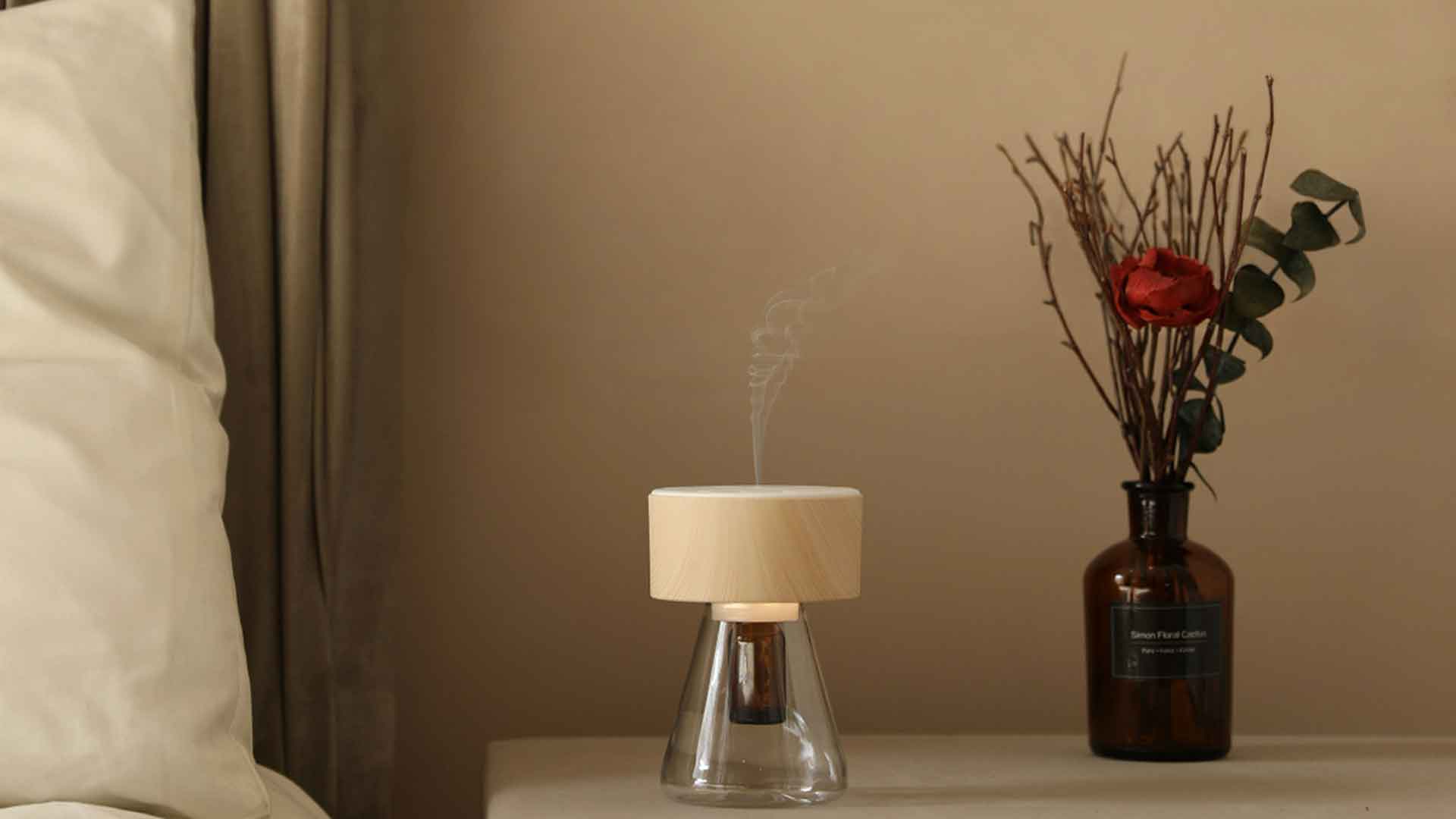
Fragrance can significantly influence the atmosphere of an indoor space. A carefully selected scent can make a room feel fresh, welcoming, calm, elegant, or energetic, while an unsuitable fragrance can quickly become distracting. For businesses, choosing the right scent is therefore an important part of creating a comfortable environment for customers, guests, employees, and visitors.
Diffusion equipment makes it possible to distribute fragrance throughout a designated area, but the equipment is only one part of an effective scenting strategy. The fragrance itself needs to match the size, purpose, design, and occupancy of the space. A scent that works beautifully in a boutique hotel may not be appropriate for an office or restaurant.
When considering aroma for diffuser applications, businesses should look at fragrance families, intensity, room characteristics, airflow, operating schedules, and the preferences of the people who use the space. Taking these factors into account can help create a balanced and pleasant indoor environment.
Why Fragrance Selection Matters
Fragrance is closely connected to how people experience a space. A pleasant scent can complement a property’s visual appearance and reinforce the atmosphere created by its interior design.
For example, a modern office may benefit from a light and clean fragrance, while a luxury hospitality property may prefer a more sophisticated combination of woods, florals, or amber.
The fragrance should support the environment rather than compete with it.
Businesses should consider:
- The purpose of the space
- Typical occupancy
- Length of visits
- Room size
- Ventilation
- Interior design
- Existing odors
- Desired atmosphere
- Fragrance intensity
These considerations can make fragrance selection more purposeful and consistent.
Understanding Fragrance Families
Fragrances are commonly grouped into different families based on their dominant characteristics.
Some popular categories include:
- Citrus
- Floral
- Woody
- Herbal
- Green
- Aquatic
- Fruity
- Amber
- Fresh
- Gourmand
Each family can create a different impression.
Citrus fragrances often feel bright and refreshing. Woody scents can provide warmth and sophistication. Floral profiles may create a softer atmosphere, while green and herbal fragrances can feel natural and clean.
Understanding these broad categories makes it easier to narrow down suitable options.
Citrus Fragrances
Citrus is a popular choice for commercial environments because of its fresh and lively character.
Common citrus notes include lemon, orange, grapefruit, bergamot, and lime.
These fragrances may work well in:
- Offices
- Reception areas
- Retail stores
- Fitness centers
- Waiting rooms
- Entrances
- Common areas
Citrus fragrances can create a clean and energetic impression without necessarily feeling heavy.
They may be particularly suitable for businesses that want their environment to feel bright and contemporary.
Floral Fragrances
Floral fragrances can provide a softer and more elegant atmosphere.
Common floral notes include rose, jasmine, lavender, violet, and other botanical characteristics.
Floral profiles may be appropriate for:
- Spas
- Beauty businesses
- Boutique hotels
- Wellness centers
- Luxury retail spaces
- Reception areas
However, some floral fragrances can become intense when heavily concentrated. Lower output may be preferable in enclosed areas.
Woody Fragrances
Woody fragrances often provide warmth, depth, and sophistication.
Common woody characteristics include sandalwood, cedar, vetiver, and related aromatic notes.
These fragrances can work particularly well in:
- Hotels
- Luxury offices
- Retail stores
- Showrooms
- Lounges
- Upscale residential properties
Woody profiles can also serve as a foundation for more complex signature fragrances.
Fresh and Clean Fragrances
Fresh fragrances are widely used in commercial environments because they can create a light and clean impression.
These scents may include characteristics associated with fresh air, clean fabrics, light botanicals, or other airy notes.
They can be suitable for:
- Offices
- Healthcare environments
- Fitness facilities
- Apartment buildings
- Reception areas
- Waiting rooms
Fresh profiles are generally easier to integrate into environments where people remain for extended periods.
Green and Herbal Fragrances
Green and herbal fragrances can provide a natural character.
They may include notes associated with leaves, grass, herbs, or aromatic plants.
These profiles can work well in wellness spaces, spas, fitness centers, offices, and properties with natural or minimalist interior designs.
Their relatively fresh character can help create a calm and natural atmosphere.
Aquatic Fragrances
Aquatic profiles are often associated with freshness and clean air.
They may be suitable for:
- Coastal hotels
- Resorts
- Fitness facilities
- Bathrooms
- Spas
- Modern commercial spaces
Aquatic fragrances can feel light, although intensity should still be controlled carefully.
Fruity Fragrances
Fruity fragrances can create a cheerful and approachable atmosphere.
Depending on the specific notes, they can range from fresh and light to sweet and rich.
Fruity profiles may work well in:
- Retail environments
- Entertainment spaces
- Family-oriented businesses
- Cafés
- Event areas
The sweetness level should be considered carefully because heavily sweet fragrances can become tiring in spaces where people spend significant amounts of time.
Amber and Warm Fragrances
Amber fragrances can provide warmth and richness.
They may include combinations of resinous, woody, sweet, spicy, or soft musky characteristics.
These fragrances are often associated with sophisticated environments and can work well in:
- Luxury hotels
- Upscale retail spaces
- Lounges
- Premium showrooms
- High-end residential properties
Because they can have greater depth, moderate output is often important.
Matching Fragrance to the Purpose of the Room
The purpose of a room should influence the fragrance selection.
Offices
Offices generally benefit from subtle and clean profiles. Employees may remain indoors for many hours, so fragrances should not become distracting.
Hotels
Hotels may use more sophisticated fragrances in lobbies, reception areas, lounges, and corridors. A signature scent can also help create consistency across selected guest-facing spaces.
Retail Stores
Retailers can choose fragrances that complement their products and interior design. The scent may become part of the overall shopping experience.
Restaurants
Restaurants require special care because food aromas are central to dining. Artificial fragrance may be more appropriate in entrances, waiting areas, or restrooms than directly around dining tables.
Fitness Centers
Fresh, clean, citrus, or herbal profiles can complement a fitness environment when used alongside proper cleaning and ventilation.
Spas
Floral, herbal, green, and woody fragrances may complement relaxing wellness environments.
Considering Room Size
Room size affects how quickly fragrance becomes noticeable.
A compact room can become strongly scented with relatively little output, while a large lobby may require substantially more coverage.
Businesses should consider:
- Floor area
- Ceiling height
- Room layout
- Furniture
- Airflow
- Occupancy
- Ventilation
A fragrance system should be selected based on the complete environment rather than floor area alone.
The Importance of Airflow
Airflow can dramatically change how fragrance behaves.
HVAC systems, ceiling fans, doors, windows, and natural ventilation can move fragrance throughout a building.
Strong airflow may disperse fragrance quickly, while limited circulation can cause it to accumulate in one area.
Equipment placement should therefore be planned carefully.
A diffuser positioned beside a strong ventilation outlet may release fragrance faster than intended. A unit located in a poorly circulated corner may produce concentrated scent without providing sufficient coverage elsewhere.
Fragrance Intensity
Choosing a suitable fragrance is only half of the equation. The intensity must also be appropriate.
A strong fragrance is not automatically more effective.
In commercial environments, a subtle background scent is often preferable to a powerful fragrance that dominates the room.
Intensity depends on:
- Fragrance concentration
- Diffuser output
- Room size
- Temperature
- Airflow
- Occupancy
- Operating duration
Adjustable diffusion equipment allows businesses to fine-tune the experience.
Testing Fragrance in the Actual Environment
Fragrance should ideally be tested in the space where it will be used.
A scent may smell completely different from a sample bottle once it is distributed through a large room.
The building’s temperature, furniture, ventilation, and occupancy can all affect fragrance perception.
During a trial, businesses can evaluate:
- Initial fragrance strength
- Distribution
- Coverage
- Longevity
- Customer response
- Employee response
- Interaction with existing odors
Testing can make it easier to identify the appropriate fragrance and intensity.
Creating a Signature Scent
Some businesses want a fragrance that becomes closely associated with their environment.
A signature scent can combine several fragrance families to create a distinctive profile.
Possible combinations include:
- Citrus and woods
- Floral and amber
- Green and aquatic
- Sandalwood and fresh notes
- Citrus and herbal notes
The objective is to create something recognizable without making the fragrance overwhelming.
Signature scenting can be especially useful for hospitality, retail, luxury residences, spas, and lifestyle-oriented businesses.
Fragrance and Customer Experience
Fragrance can become part of a broader sensory experience.
Customers encounter many environmental elements when visiting a business. Lighting, music, décor, temperature, cleanliness, and scent all contribute to their perception of the property.
A carefully selected fragrance can complement these elements.
For example, a luxury hotel may combine warm interior lighting, elegant furnishings, quiet music, and a refined woody fragrance. A modern fitness center may use bright lighting, clean décor, and a fresh citrus or herbal scent.
The fragrance should fit naturally into the overall environment.
Fragrance for Different Times of Day
Some businesses may benefit from adjusting fragrance according to operating periods.
Morning environments may work well with lighter and fresher profiles, while evening hospitality spaces may accommodate warmer and richer fragrances.
Programmable systems can help businesses establish different operating schedules.
Possible adjustments can include:
- Start time
- Stop time
- Output intensity
- Peak-period operation
- Quiet-period settings
The appropriate strategy depends on the type of property and its daily activity.
Seasonal Fragrance Considerations
Businesses may also change fragrances according to the season.
Fresh citrus and aquatic profiles can work well during warmer periods, while woody, amber, or warmer fragrances may complement colder seasons.
Seasonal changes can provide variety, although businesses that rely on a signature scent may prefer to maintain a consistent fragrance year-round.
Fragrance and Food Environments
Restaurants, cafés, bakeries, and food-related businesses need additional caution.
Natural food aromas are an important part of the customer experience. A strong artificial fragrance can interfere with the smell of meals, coffee, baked goods, or other products.
If fragrance is used, it should be subtle and strategically placed.
Entrances, waiting areas, restrooms, and separate lounges may be more suitable locations.
Odor Control Comes First
Fragrance should not be used to hide persistent odors.
Unpleasant smells can originate from:
- Waste
- Plumbing
- Moisture
- Food residue
- Poor ventilation
- Dirty surfaces
- HVAC problems
These sources should be addressed directly.
Proper cleaning, waste management, ventilation, and maintenance should form the foundation of an odor-control strategy.
Fragrance can then provide an additional layer of environmental enhancement.
Diffusion Technology
The fragrance delivery method also affects the final result.
Water-based diffusers use water to create a scented mist, while other systems rely on heat or passive evaporation.
Professional commercial systems may use cold-air diffusion, which atomizes fragrance oil into very small particles before dispersing them through the air.
This dry method does not require a water reservoir and does not add additional moisture to the environment.
Businesses should choose technology based on their coverage needs, maintenance preferences, operating schedule, and property characteristics.
Maintaining Consistent Fragrance
Consistency is important for businesses that want to create a recognizable atmosphere.
A fragrance that is barely noticeable one day and overpowering the next can create an inconsistent experience.
Regular monitoring can help businesses identify changes caused by:
- Equipment settings
- Fragrance levels
- HVAC operation
- Occupancy
- Seasonal temperature
- Room layout changes
Adjustments can then be made to maintain a balanced environment.
Managing Fragrance Consumption
Businesses should monitor how quickly fragrance supplies are being used.
Excessive output can increase operating costs without necessarily improving the atmosphere.
Programmable operation, adjustable intensity, and appropriate equipment placement can help control consumption.
A well-managed system should deliver the desired fragrance level without unnecessary waste.
Maintenance Requirements
Regular maintenance helps keep diffusion equipment operating consistently.
A maintenance routine may include:
- Checking fragrance supplies
- Inspecting equipment
- Cleaning components according to manufacturer guidance
- Reviewing schedules
- Monitoring output
- Checking coverage
- Replacing fragrance supplies
Maintenance requirements vary according to the type of equipment and operating conditions.
Considering Occupant Comfort
Businesses should always consider the people who use the environment.
Employees, customers, guests, and visitors can have different fragrance preferences.
This is particularly important in offices, hotels, healthcare-related spaces, and other environments where people may remain indoors for extended periods.
A moderate fragrance level is generally easier to manage than excessive scent intensity.
Feedback can help businesses determine whether adjustments are necessary.
Choosing a Diffuser Based on the Space
The diffuser itself should match the intended application.
Small spaces may require compact standalone systems. Large commercial environments may need higher-capacity equipment, multiple units, or HVAC-integrated fragrance distribution.
Before selecting a system, businesses should assess:
- Coverage requirements
- Airflow
- Ceiling height
- Occupancy
- Operating hours
- Fragrance intensity
- Maintenance requirements
- Long-term operating costs
This approach can help avoid choosing equipment based solely on price or appearance.
Conclusion
Selecting the right aroma for diffuser use requires more than choosing a fragrance that smells pleasant. The scent should complement the purpose of the space, match the property’s atmosphere, and remain comfortable for the people who occupy it.
Citrus and fresh fragrances can create an energetic and clean impression, while woody and amber profiles can provide warmth and sophistication. Floral, green, herbal, aquatic, and fruity fragrances each offer additional possibilities for different commercial environments.
Room size, airflow, ventilation, ceiling height, occupancy, and diffuser output all influence how a fragrance is experienced. Testing the scent in its intended environment can help businesses determine the appropriate intensity and coverage before implementing a larger scenting program.
For commercial properties, fragrance works best when it complements proper cleaning, ventilation, and odor management. With thoughtful fragrance selection, suitable diffusion technology, strategic placement, controlled output, and regular maintenance, businesses can create a more consistent and welcoming indoor atmosphere.