If you’re holding a piece of sports equipment used for years – only to find the replacement part you need no longer exists – you’re not alone.
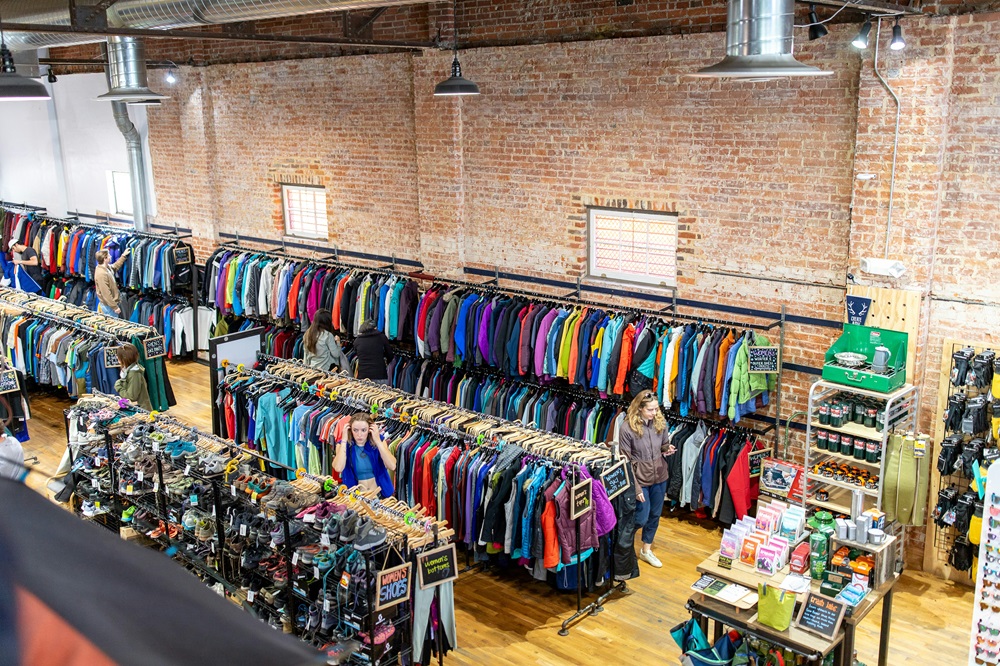
The U.S. recommerce market hit over $200 billion in recent years, meaning millions of people are holding onto older gear they’d rather repair than replace. The good news? Discontinued doesn’t have to mean dead.
What brand archives actually tell you
Start with the manufacturer – even if the product line is gone. Many brands don’t wipe out their part records the moment they stop making something. They often archive service manuals, part numbers, and technical diagrams for years after discontinuation.
Your first move is to dig up the model number and serial number on your equipment. To order the correct parts and avoid damage, you must provide the model and serial number of the equipment. These two pieces of information are your entry point into every parts database out there.
Once you have them, contact the manufacturer directly – even if the product line looks dead on their website. Customer support teams sometimes have access to legacy inventory or can point you toward licensed remanufacturers. There’s also a possibility that the original manufacturer has licensed parts production to approved remanufacturers, so it’s worth asking about that directly.
If the brand itself got acquired by a larger company – which happens more than you’d think in sports – the parent company usually inherits the parts responsibility.
Bauer Hockey, for example, acquired the discontinued Itech hockey equipment brand in 2008, absorbing all its product lines. A quick search of the brand’s ownership history can save you hours of dead-end calls.
How third-party suppliers fill the gap
Third-party parts suppliers are often the fastest and most reliable route when the original manufacturer is out of the picture.
Sportsmith has been in the fitness equipment parts business for 30 years, offering over 100,000 parts and products for cardio and strength equipment.
Platforms like these stock parts for brands that stopped manufacturing them years ago, simply because demand still exists.
Online stores dedicated to fitness equipment parts sell spare components for all major brands and act as a one-stop solution – covering models that are no longer in production.
Beyond fitness gear, online marketplaces like eBay are genuinely useful for finding parts from sellers who bought surplus inventory years ago. Search by model number, not by part description – you’ll get far more specific results.
Some companies maintain fabrication shops that can work with both current and past manufacturers to locate or craft discontinued parts, visiting your site and assessing the specific components required.
Sports equipment used: where online communities outperform search engines
This is where most people don’t look – but should. Online forums and sport-specific communities often have members who’ve already solved the exact problem you’re facing.
Reddit threads, Facebook groups, and sport-specific forums are full of people who’ve tracked down parts for gear that’s 10, 15, even 20 years old. If you can post a clear photo and a model number, someone in that community has usually seen it before.
The person who’s had the same broken buckle on the same ski boot for six months has probably already found the fix – or built one.
Platforms like iFixit host repair guides and community solutions across a wide range of equipment categories. Search the part description alongside your equipment model, and you’ll often find a thread that solves it in minutes.
When DIY is your best (or only) option
Sometimes the part simply doesn’t exist anymore – not from the manufacturer, not from third-party suppliers, not even on eBay. That’s when it makes sense to look at fabrication and DIY repair.
3D printing has become one of the most practical solutions for discontinued small parts. Online communities have created downloadable 3D model files for equipment extensions and components that the public can download and print – and in many cases, the result looks like a professionally manufactured part.
In theory, any part that can be replaced by a 3D-printed version is a candidate for DIY fixing – and you can have a replacement part in hand in under an hour, and quickly iterate on it if the design needs adjusting.
If you don’t have a digital file for the part, services can scan or measure the original broken piece and recreate it – with no tooling costs or high minimum order quantities, making it ideal for one-off or small-batch needs.
For non-structural parts – things like knobs, clips, cable guides, and end caps – this works extremely well. For load-bearing components (a bike pedal axle, for instance), you’d want a machined metal part instead, which a local machine shop can often fabricate from your original measurements.
A practical checklist before you give up
Before declaring your gear irreplaceable, run through this:
- Note the brand, model, and serial number
- Check the manufacturer’s website for a parts or support section
- Search by part number on platforms like Sportsmith, Hydra Fitness Parts, or exercise-equipment-parts.com
- Search eBay and Facebook Marketplace with the model number
- Post in a sport-specific forum with a clear photo
- Check Thingiverse or similar platforms for 3D-printable files of the part
- Contact a local machine shop or 3D printing service if none of the above works
FAQ
What should I do first when I need a part for discontinued sports equipment?
Find your equipment’s model number and serial number – these are essential for any parts search. Then check the manufacturer’s website for legacy support or contact their customer service directly before looking elsewhere.
Are third-party parts as good as original manufacturer parts?
For most non-technical components, yes. Many third-party suppliers offer OEM and aftermarket replacement parts for commercial fitness equipment, often matching the original spec. For safety-critical parts, verify the material spec before buying.
Can 3D printing actually replace broken sports equipment parts?
It depends on the part. 3D printing spares is extremely convenient for certain components, but the process can involve challenges around tolerances, material strength, and design. It works well for clips, covers, guides, and non-structural elements – less so for high-stress mechanical parts.
How much can buying used equipment save me compared to new?
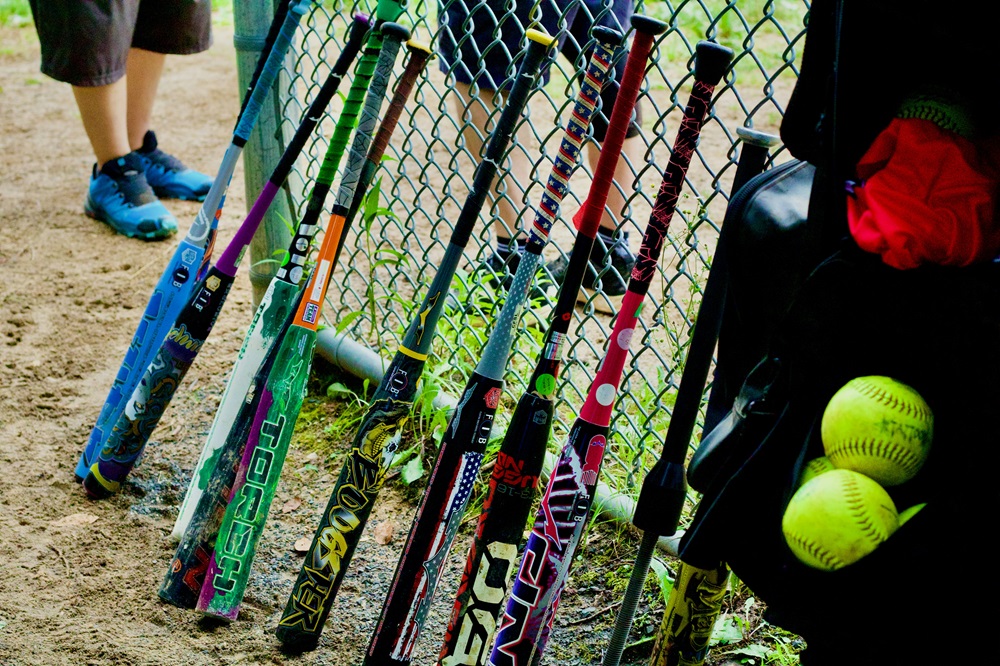
Buyers of used sports gear can save anywhere from 30% to 70% compared to new gear – a bat that retails for over $350 new might be found for under $200, and premium cleats often sell for half the original price.
Where do I find communities that help track down discontinued parts?
Reddit, Facebook Groups, sport-specific forums, and iFixit are your best bets. Search by your exact equipment model – there’s a good chance someone else has solved the same problem and documented it publicly.